Journal
Stamp Duty on Holiday Lets
Owning a coastal cottage in Yorkshire is a dream for many, offering stunning views and a peaceful retreat. However, if you're considering purchasing such a property, it's essential to understand the costs of Stamp Duty Land Tax (SDLT) on holiday lets. Here’s our step by step guide to help you navigate this aspect of property ownership.
Quick links
- What is Stamp Duty Land Tax on a holiday let?
- What are the stamp duty rates for a holiday let?
- Will I pay the higher rates on a holiday let?
- How much stamp duty is on a £290,000 holiday let?
- Do non-UK residents pay more stamp duty?
- Are there any exemptions or reliefs for holiday lets?
- Can I get a refund of the higher rates?
- When and how do I pay stamp duty on a holiday let?
- Frequently asked questions
- Get your free Owner Guide
Get your FREE Owner Guide here
What is Stamp Duty Land Tax on a holiday let?
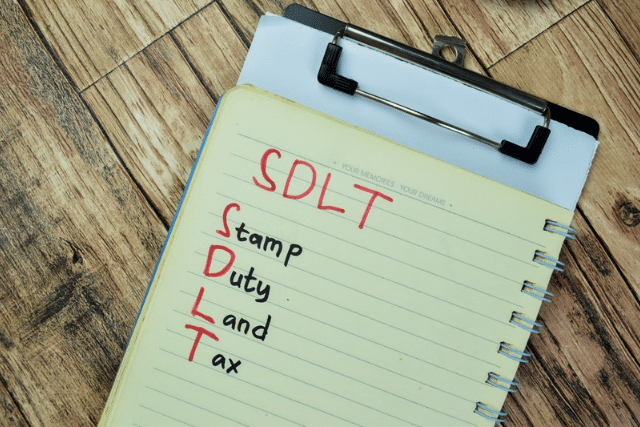
If you’re buying a holiday home in England or Northern Ireland, you’ll usually need to pay Stamp Duty Land Tax (SDLT). This is a tax charged when you buy a property or land above a certain value.
SDLT is worked out in bands, which means you only pay the relevant tax rate on the portion of the property price that falls within each band, not on the full purchase price.
It’s worth remembering that holiday homes and second homes are normally subject to higher SDLT rates than a main residence, which can make a significant difference to your overall buying costs.
Scotland and Wales have their own property taxes, so this guide focuses on properties in England and Northern Ireland only.
What are the stamp duty rates for a holiday let?
The amount of Stamp Duty Land Tax (SDLT) you’ll pay depends on the purchase price of the property. Different rates apply to different portions of the price, and if you’re buying a holiday home or second home, the higher rates for additional properties will usually apply.
The table below shows the current SDLT rates for both a main residence and a holiday home in England and Northern Ireland.
| Purchase price band | Standard rate (main home) | Holiday let rate (standard + 5%) |
|---|---|---|
| Up to £125,000 | 0% | 5% |
| £125,001 to £250,000 | 2% | 7% |
| £250,001 to £925,000 | 5% | 10% |
| £925,001 to £1.5 million | 10% | 15% |
| Over £1.5 million | 12% | 17% |
Will I pay the higher rates on a holiday let?
In most cases, you’ll pay the higher rates of Stamp Duty Land Tax (SDLT) when buying a holiday home or second property in England or Northern Ireland.
The higher rates will usually apply if:
- The property costs £40,000 or more.
- You’ll own more than one residential property worth £40,000 or more after the purchase.
- The holiday home will not replace your main residence.
HMRC generally treats married couples and civil partners as buying together for stamp duty purposes. This means if either of you owns another residential property, the higher rates for additional properties will usually apply to the whole purchase, unless you are permanently separated.
Because everyone’s circumstances are different, it’s worth seeking professional advice if you’re unsure whether the additional property rates will apply to your purchase.
How much stamp duty is on a £290,000 holiday let?
Here is the same £290,000 purchase at standard rates for a main home and at holiday home rates. Each band is worked out separately, then added together.
In this example, buying the property as a holiday home would result in an SDLT bill of £19,000, compared with £4,500 for someone buying the same property as their main residence.
| Part of the price | Main home rate | Main home SDLT | Holiday let rate | Holiday let SDLT |
|---|---|---|---|---|
| First £125,000 | 0% | £0 | 5% | £6,250 |
| Next £125,000 | 2% | £2,500 | 7% | £8,750 |
| Final £40,000 | 5% | £2,000 | 10% | £4,000 |
| Total | £4,500 | £19,000 |
This is an illustration, not a quote, as your figure depends on your purchase price and circumstances. For a rough estimate, try the HMRC Stamp Duty calculator.

Mariner’s Watch, Whitby Property ref 1056727
Do non-UK residents pay more stamp duty?
In many cases, yes. Buyers who are considered non-UK residents for Stamp Duty Land Tax (SDLT) purposes may need to pay an additional 2% surcharge on residential property purchases in England and Northern Ireland.
This surcharge is added on top of any other SDLT charges that apply, including the higher rates for holiday homes and second homes.
For SDLT purposes, you’re generally treated as a UK resident if you’ve spent 183 days or more in the UK during the 12 months before the purchase. Different rules and exemptions can apply in some circumstances, so it’s worth checking the latest HMRC guidance or seeking professional advice if you’re buying from overseas.
Are there any exemptions or reliefs for holiday lets?
You will not pay the higher rates if:
- The property costs less than £40,000.
- The property is “moveable”, such as a caravan, houseboat or mobile home, unless it has become a permanent fixture.
- The property is mixed-use, such as a shop or office with a flat above.
- You buy a plot of land with no property on it, even if you plan to build on it later.
- You buy a property with an annexe or a separate dwelling in its grounds, and the main property is worth at least two-thirds of the overall price.
- Legal restrictions stop the property being used as a residence, for example planning permission that allows only holiday accommodation. Non-residential rates may apply instead, and this does not apply to properties in Wales.
Two reliefs are often mentioned in connection with property, but neither applies to a holiday let:
- Multiple dwellings relief was abolished for transactions from 1 June 2024, so it no longer applies.
- First-time buyers relief only applies where you intend to live in the property as your only or main home, so it does not apply to a holiday let.
Can I get a refund of the higher rates?
If you buy a new main residence before selling your previous one, you may be able to reclaim the additional Stamp Duty Land Tax (SDLT) you’ve paid. To qualify, you’ll usually need to sell your former main home within 36 months of buying the new property.
Refund claims must be made to HMRC, and certain conditions apply. Your solicitor or conveyancer can advise on eligibility, or you can find full details on the HMRC guidance for Stamp Duty refunds.
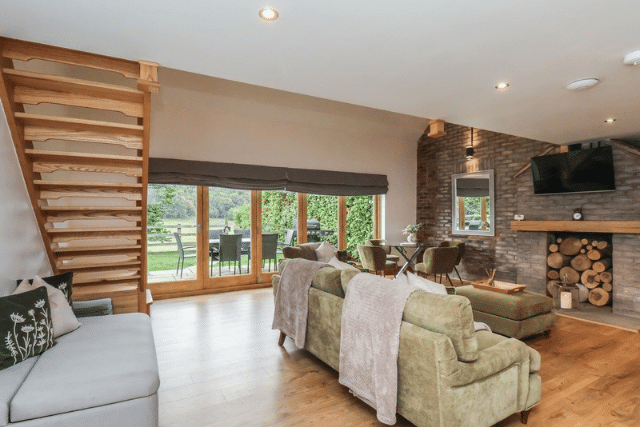
Kaitkyella Lodge, Scarborough Property ref 1075625
When and how do I pay stamp duty on a holiday let?
You must submit an SDLT return and pay any Stamp Duty Land Tax due within 14 days of completion (or the transaction’s effective date). In most cases, your solicitor or conveyancer will calculate the amount owed, submit the return and arrange payment on your behalf, but it’s always worth checking the figures with them before completion.
What else do people ask about holiday let stamp duty?
When do I have to pay stamp duty on a holiday let?
Stamp Duty Land Tax must usually be paid within 14 days of completing the purchase. In most cases, your solicitor or conveyancer will calculate the amount due, submit the SDLT return and arrange payment on your behalf.
Does first-time buyers relief apply to a holiday let?
No. First-time buyer relief is only available when you’re purchasing a property that will be your only or main residence. As holiday homes and second homes are treated differently, this relief does not apply.
Do I pay stamp duty on a holiday lodge or caravan?
Not always. Stamp Duty Land Tax does not usually apply to moveable dwellings such as caravans, mobile homes and houseboats. However, it can apply to some holiday lodges if they are legally classed as residential property, so it is important to check the status of the property before buying.
What should I check before I buy a holiday let?
- Budget early: include SDLT in your costs from the start. Our guide to costs to think about when running a holiday let covers the running costs too.
- Check the tax rules: the Furnished Holiday Let tax regime was abolished from April 2025, so older guides that mention its tax advantages are out of date. Some other deductions may still apply depending on how the property is run.
- Check your mortgage: your lender must allow holiday letting, either through consent or a dedicated holiday let mortgage. See holiday letting rules made simple.
- Get advice: a tax adviser or solicitor can check your position and any exemptions or reliefs that might apply to you.
Need tax advice for your holiday let?
We have teamed up with tax experts Zeal to help our owners save on tax. If you are a Sykes or brand owner, you can get free advice from Zeal on 01633 499771 or by emailing Sykesfamily@gozeal.co.uk. As an owner, you also get an exclusive 10% discount on standard fees.
Understanding SDLT is essential if you are buying a cottage in Yorkshire. Knowing the rates and the surcharge helps you plan your budget with confidence.
* Rates last checked against GOV.UK: 16 November 2026
Expert holiday letting advice in Yorkshire
At Yorkshire Coastal Cottages, we pride ourselves on the outstanding local service we offer, delivering exceptional results with high levels of booking and income for our owners. We can provide support and advice on every aspect of making your investment a success, from planning and development to income forecasts and interior design.
Contact the local team on 01947 820949 or drop us an email on info@yorkshirecoastalcottages.com and we’ll get right back to you. Or you can complete the form below to request contact from our team. You’ll also receive a copy of our FREE Owner Guide.
Disclaimer
Yorkshire Coastal Cottages and Sykes can’t advise you on, and isn’t responsible for, tax matters in relation to your holiday let and the above should not be taken as such, rather as a prompt of the issues involved for further consideration. As always, please read the relevant laws, regulations and guidance and seek advice from external experts where you require it. Yorkshire Coastal Cottages and Sykes hopes that by pointing you in the direction of an expert in the field, it’s starting you off on the right foot, and you can read into this matter further and seek your own advice from Zeal, or your chosen advisor, as and when you feel it’s needed. We cannot make any representations or warranties of any kind as to the competency, qualification, fitness for purpose, accuracy, reliability, suitability, or availability of Zeal’s offers, products or services. If you choose to enter into any arrangement for the supply of goods or services of a supplier listed in this newsletter or links, you do so entirely at your own risk. Any such arrangement is between you and the supplier. We are not a party to it. We shall not be liable for any loss or damage arising under or in connection with any such arrangement or any action or decisions you take or do not take as a result of reading the above or any loss suffered as a result.